
Every author who embarks on the self-publishing journey hits a defining crossroad: turning a completed manuscript into an engaging visual experience.
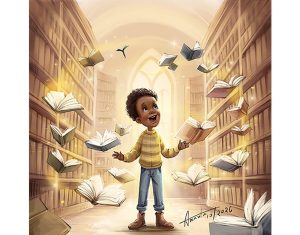
In this guide, we take a deep look at the visual creation process through a detailed breakdown of a recent digital painting featuring a young boy surrounded by floating books in a magical library.
In this comprehensive guide on How to Find and Hire a Children’s Book Illustrator, we will explore essential tips and strategies to help you make informed decisions about choosing the right illustrator for your project.
Why Quality Visual Storytelling Matters for Self-Publishers
Understanding How to Find and Hire a Children’s Book Illustrator is key to your success in self-publishing. Mastering How to Find and Hire a Children’s Book Illustrator ensures you select the best illustrator for your vision.
Understanding How to Find and Hire a Children’s Book Illustrator is key to your success in self-publishing.
When parents, teachers, and children browse online marketplaces or library shelves, the illustration style is the very first thing that captures their interest. Beautifully rendered character designs and rich environment art establish instant emotional connections before a single sentence is read.
When you hire a book illustrator, you are collaborating with a visual director. An experienced artist understands:
-
Visual Rhythm and Flow: Positioning characters and dynamic elements across pages to encourage young readers to turn to the next page.
-
Emotional Depth: Designing character expressions that communicate joy, curiosity, or awe instantly.
-
Technical Compliance: Formatting full-spread illustrations to strict 300 DPI CMYK specifications, respecting bleed margins, and creating artwork ready for seamless print production.
Deconstructing the Magic: Behind the Scenes of a Storybook Illustration
To see how professional technique turns a blank canvas into an immersive world, let’s examine the design stages behind this enchanted library scene.
1. Conceptualization and Emotional Core
The scene captures a pivotal storybook moment: a young boy stepping into an ancient library where stories literally spring to life.
2. Environment Design & One-Point Perspective
To give the library an imposing yet inviting feel, the composition relies on structured architectural perspective:
-
Linear Depth: The tall, wooden bookshelves stretch along precise perspective lines converging toward a grand archway window.
-
Framing: The soaring library shelves direct eye focus straight to the young boy, making him the hero of the scene despite the complex background.
-
Atmospheric Lighting: Golden sunlight streams through the window, creating soft glow highlights on the flying book pages and adding magical dust motes in the air.
3. Character Design and Relatability
For a picture book to resonate, the lead character must feel alive:
-
Facial Expressions: The wide, expressive eyes and open smile immediately register delight.
-
Color Contrast: The boy’s soft yellow striped sweater and blue denim rolled-up trousers were deliberately chosen to stand out clearly against the deep brown wood tones of the surrounding shelves.
Step 1: Define Your Visual Style & Requirements
Before you search for artists, determine the exact visual tone your story requires.
Step 2: Evaluate Technical and Industry Expertise
When reviewing portfolios to find a children’s book illustrator, look beyond pretty pictures. Ensure the artist has experience with:
-
Character turnaround sheets (showing the protagonist from multiple angles for consistency).
-
Page layout design that leaves clean space for text placement.
-
Print publishing standards for Amazon KDP, IngramSpark, and hardcover printing.
Step 3: Request a Character Demo or Sample Sketch
Before entering into a full book contract, request a preliminary character design sketch or sample spread.
Frequently Asked Questions (FAQ)
Who owns the copyright to the illustrations?
In standard self-publishing illustration agreements, authors acquire commercial publishing rights to print and sell the book, while the illustrator retains artistic copyright for portfolio usage, unless exclusive copyright buyout terms are negotiated.
How long does it take to illustrate a 32-page children’s book?
A complete picture book project generally takes 6 to 12 weeks. This includes thumbnail roughs, character sheets, line art approvals, full-color rendering, and final print formatting.
Ready to Turn Your Manuscript Into an Illustrated Masterpiece?
If you are an author looking for children’s book illustrator services to bring your storybook characters to life, having an experienced partner makes all the difference.
Take advantage of a free custom sample sketch to see your main character brought to life before committing to a full contract!
Get in touch today to discuss your project ideas and request your free sample sketch!
Get in Touch: https://www.anantamohanta.com/
Email : email@annatamohanta.com orinfo@annataart.com
Instagram: https://www.instagram.com/ananta_mohanta_/
Facebook: https://www.facebook.com/AnantaMohanta1987/
Behance : https://www.behance.net/ananta-mohanta
Tumbir : https://www.tumblr.com/blog/anantamohanta
Threads : https://www.threads.com/@ananta_mohanta_?hl=en
-