
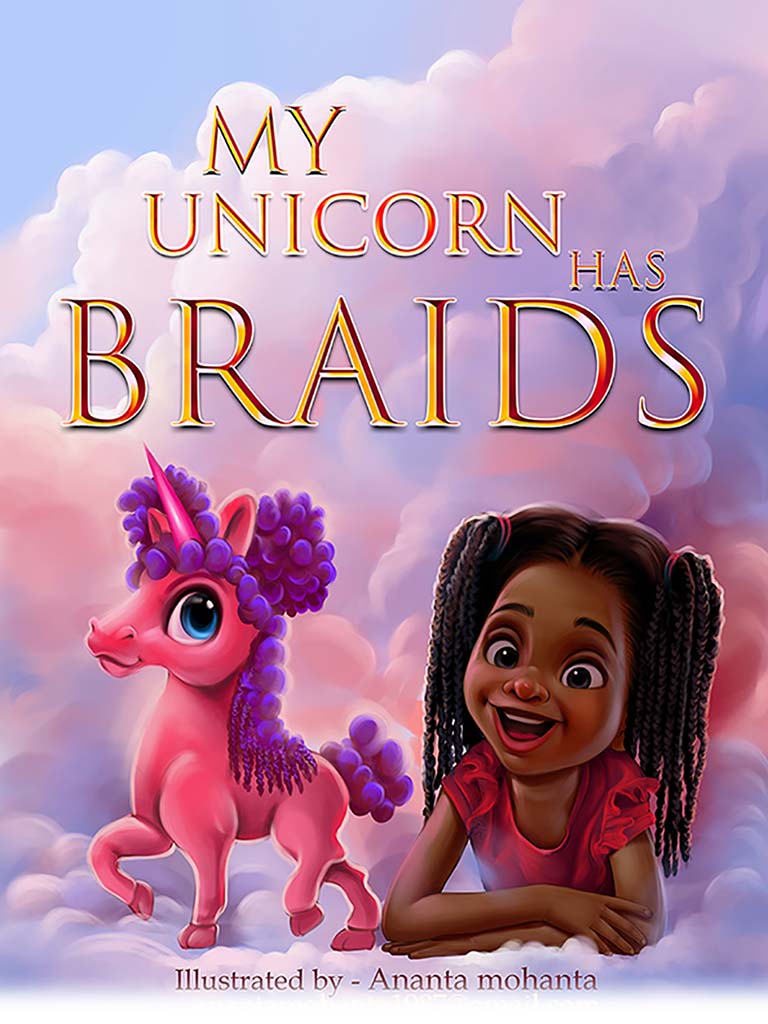
How to become a children’s book illustrator
Becoming a children’s book illustrator is not about learning one software, copying a popular style, or chasing trends on social media. It’s a slow, creative journey built on observation, storytelling, patience, and a genuine love for how children see the world. If you’re dreaming of illustrating children’s books—whether full-time or as a long-term career goal—this guide will walk you through the real path, not the glamorous shortcut version.
1. Understand what a children’s book illustrator really does
A children’s book illustrator doesn’t just draw “cute pictures.” The job is to tell a story visually, sometimes even more clearly than words can. Every expression, color choice, background detail, and character pose must support the story and speak to a child’s imagination.
Professional children’s book illustrators read manuscripts carefully, break stories into scenes, design characters that feel alive, and create illustrations that match a specific age group—toddlers, early readers, or middle-grade children. Before anything else, understand that illustration is storytelling first, decoration second.
2. Learn the fundamentals before chasing style
Many beginners rush to develop a “unique style.” Style comes later. First, focus on the basics:
Drawing anatomy (even simplified)
Expressions and body language
Perspective and composition
Light, shadow, and color harmony
A strong children’s book illustrator can simplify complex ideas without losing emotion. Study picture books from different cultures, observe how characters are shaped, and notice how professionals guide a child’s eye across a page.
3. Read children’s books like an illustrator, not a reader
If you want to work as one of the children’s book illustrators who get hired consistently, you must study books deeply. Ask yourself:
Why is this scene illustrated instead of another?
Why is the character placed on the left or right?
How does the illustration add meaning beyond the text?
This habit trains your brain to think like illustrators for a children’s book, not just an artist who draws well.
4. Practice storytelling through personal projects
You don’t need a client to start. Create your own short stories. Illustrate a 10-page silent book. Redraw a classic fairy tale in your own voice. These projects show publishers and authors that you understand pacing, emotion, and narrative flow.
Many authors looking for children’s book illustrators for hire don’t just want beautiful drawings—they want proof that you can carry a story from beginning to end.
5. Build a focused portfolio (not everything you’ve ever drawn)
A common mistake is showing too much variety. A strong portfolio for a professional children’s book illustrator should include:
Consistent character designs
Multiple scenes from the same story
Emotional moments (joy, fear, curiosity, wonder)
Finished illustrations, not sketches
Quality matters more than quantity. Six strong illustrations are better than twenty random ones.
6. Learn how the publishing world works
There are two main paths:
Traditional publishing – working with publishers, agents, and editors
Independent publishing – working directly with authors
Many illustrators for a children’s book start with independent authors because it builds experience faster. Traditional publishing takes longer but can offer wider exposure.
Understanding contracts, timelines, revisions, and copyrights is part of becoming a professional.
7. Price your work realistically, not emotionally
One important thing new illustrators struggle with is pricing. Charging too high scares away clients; charging too low burns you out. The goal is a medium range—fair for you and reasonable for authors.
Many clients who want to hire a children’s book illustrator are first-time authors. They value clarity, transparency, and flexibility. Fair pricing combined with professionalism builds long-term relationships and referrals.
8. Communicate like a collaborator, not just an artist
Illustration is a collaborative process. Listen to feedback. Ask smart questions. Suggest visual ideas that improve the story. Authors remember illustrators who care about the book, not just their own drawings.
This mindset is what separates hobby artists from professional children’s book illustrators who get repeat work.
9. Stay consistent, even when growth feels slow
There will be quiet months. Rejections. Projects that fall through. This is normal. What matters is consistency—drawing, learning, improving, and showing up.
By the end of the year, small daily efforts often turn into visible progress: a stronger portfolio, better confidence, and real client conversations.
10. Never stop observing children and the world
Children’s illustration comes from real life—how kids laugh, how they fall, how they imagine monsters under beds or heroes in ordinary places. Watch, listen, and stay curious.
That curiosity is what keeps your work fresh and meaningful.
Final thoughts
To become a children’s book illustrator, you don’t need perfection. You need commitment, storytelling skills, and the willingness to grow slowly but honestly. Focus on the craft, respect the process, keep your pricing fair, and treat every project as a chance to tell a beautiful story.
To know more: www.anantamohanta.com
Pinterest: https://in.pinterest.com/illustratorananta/
X: https://x.com/AnantaMohanta6
Behance: https://www.behance.net/ananta-mohanta
Follow me on Instagram: www.instagram.com/ananta_mohanta_